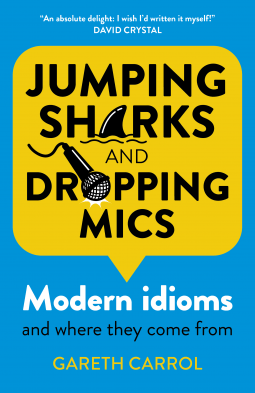
If, like me, you’re a bit of a word nerd and love digging into the quirky corners of language, Gareth Carrol’s Jumping Sharks and Dropping Mics is an absolute treat. This book takes a deep dive into the origins of modern idioms, unpacking their meanings and tracing how they’ve made their way into our everyday conversations. It’s an engaging and insightful read, perfect for anyone curious about the stories behind the phrases we so often take for granted.
What’s It About?
From idioms born out of pop culture, like “jumping the shark,” to those rooted in technology, sports, and music, Carrol’s book covers a wide array of expressions. Ever wondered why we say someone is “caught red-handed” or “close but no cigar”? Carrol not only explains these phrases but also delves into their historical or cultural significance.
The titular phrase, “jumping the shark,” for instance, originates from a 1977 episode of Happy Days when Fonzie literally jumps over a shark on water skis. This moment has since come to symbolise the point at which something peaks and begins its inevitable decline. Another favourite of mine is “drop the mic,” which emerged from the world of hip-hop battles and has become shorthand for making a bold, show-stopping statement.
Why It Works
Carrol’s writing is witty, accessible, and clearly fuelled by a genuine passion for language. Each idiom is presented with historical context, cultural insights, and anecdotes that bring the phrase to life. It’s the kind of book you can dip into or devour in one sitting. I also appreciated how he highlights the evolution of language—how idioms adapt and change meaning as they’re passed down through generations and across communities.
My Thoughts
What I loved most about Jumping Sharks and Dropping Mics is how it made me more aware of the way I use language. Idioms are such a fundamental part of how we communicate, yet we rarely stop to think about where they come from. Carrol’s book serves as a reminder of how rich and dynamic language is, blending history, culture, and creativity.
If I had one critique, it would be that some chapters felt a tad rushed. A few idioms could have benefitted from more in-depth exploration. That said, the book’s fast pace and conversational tone make it an enjoyable and easy read
Whether you’re a linguistics enthusiast or just someone who loves a good trivia tidbit, this book is well worth a read. It’s the kind of book you’ll want to share with friends just so you can say, “Did you know where this phrase comes from?”
 Elaine Adu-Poku